How to Choose a Pickleball Bag: Backpack, Sling, or Duffel?
Choosing a pickleball bag comes down to four decisions: bag style, capacity, paddle protection, and construction quality. Get those four right, and every session runs smoother — from the parking lot to the final point.
Most players arrive at the bag question the same way: a regular backpack works until it doesn’t. Balls roll out, the paddle has nowhere safe to sit, and a single overstuffed zipper gives way mid-tournament. A dedicated pickleball bag solves these problems through design, not size. The three main styles — backpack, sling, and duffel — each suit a different routine and gear load.
What players usually overlook is that bag selection is a gear protection decision as much as a carrying one. Paddles that cost $100–$200 each deserve more than a loose pocket and crossed fingers. The right paddle sleeve, compartment layout, and material choice can extend a paddle’s life and keep your court organization consistent.
Below is a breakdown of every factor that matters when choosing a pickleball bag — from style to features to how to match your choice to your budget and play level.
What Is a Pickleball Bag — and Why Is It Different from Any Sports Bag?
A pickleball bag is a sport-specific carry system designed around the proportions of a pickleball paddle, the volume of a full court kit, and the organizational demands of a game that moves fast between rallies.
The key difference from a gym bag or tennis bag is dimensional and functional. A pickleball paddle (roughly 17 × 8 inches) is shorter and wider than a tennis racket, which changes the sleeve geometry entirely. A tennis bag’s racket tubes are too narrow and long for paddle storage without rattling. A gym bag offers zero paddle protection — no lining, no structure, no separation from wet gear or shoes.
How Pickleball Bags Differ from Tennis and Gym Bags
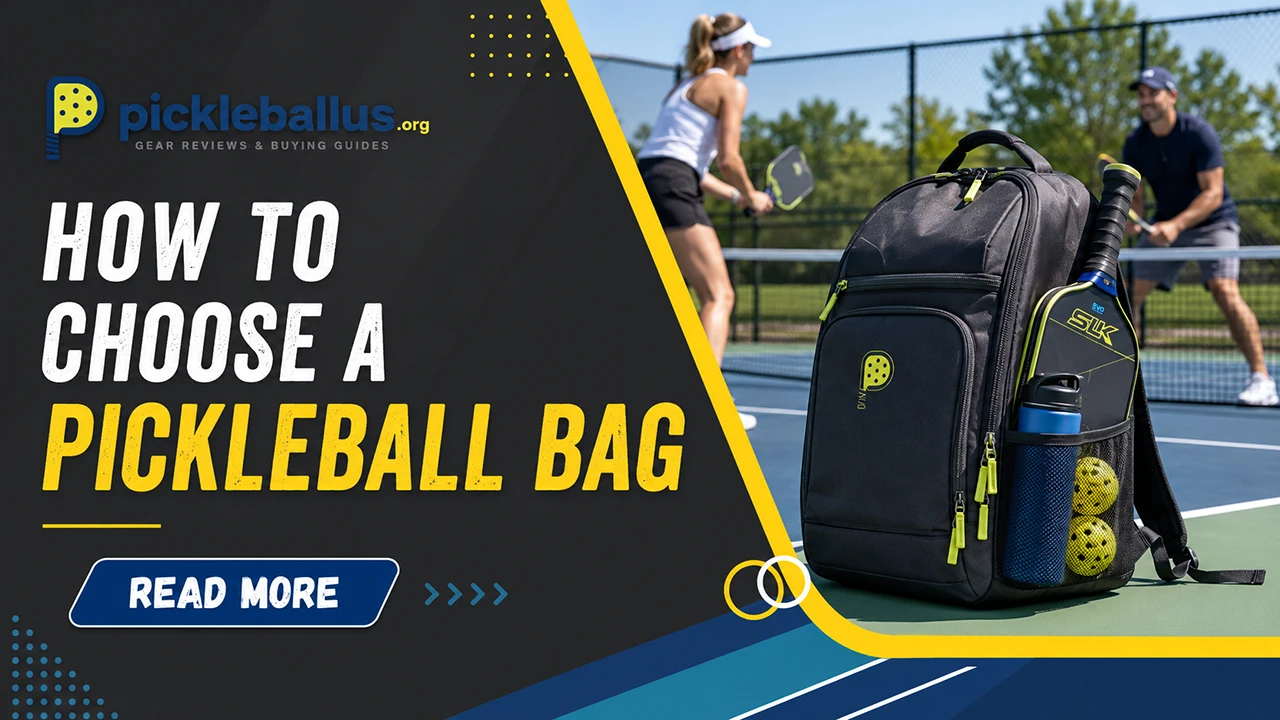
Pickleball-specific bags are built around paddle dimensions rather than racket length, which means shorter, wider sleeve pockets with soft lining to prevent face scratches. They typically include a ball pocket sized for multiple pickleballs (not tennis balls, which are larger), a shoe compartment or ventilated pocket for dirty footwear, and a water bottle holder accessible without opening the main bag.
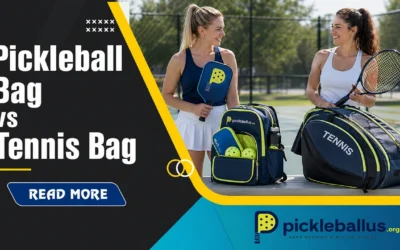
Tennis bags can work for pickleball in a pinch — the pickleball bag vs tennis bag comparison covers where the layout gaps appear most. Gym bags, by contrast, lack the structure and organization that makes a court kit genuinely portable.
The Three Main Pickleball Bag Styles at a Glance
The three core styles differ in carry system, capacity, and access speed:
- Backpack — two-shoulder carry, highest capacity, most versatile
- Sling bag — single-shoulder carry, compact, fast access
- Duffel / tournament bag — top-handle or rolling carry, maximum storage for long days
Backpack, Sling, or Duffel — Which Style Fits Your Game?
Your bag style should match how long you play, not just how much gear you own. A player heading out for a 90-minute club session has different needs than a competitor arriving for an all-day tournament.
Pickleball Backpacks — the Most Versatile Choice
A pickleball backpack distributes weight across both shoulders, which matters most when carrying paddles, shoes, a water bottle, snacks, and a change of clothes. The two-strap system keeps the load balanced during longer walks from car to court — something a single-shoulder sling can’t sustain at full capacity.
Look for: a padded paddle sleeve (ideally with a soft interior lining), a structured or reinforced base that keeps the bag upright, a laptop or valuables pocket, and padded shoulder straps with an optional chest clip. Water-resistant exterior fabric is a practical bonus for outdoor courts.
The best pickleball backpacks cover the top-rated options across price tiers — from sub-$50 beginner models to sub-$150 club-grade builds with full paddle protection systems. The backpack format suits most players: club regulars, tournament competitors, and anyone commuting to courts with a full kit.
Sling Bags — for Light and Fast Sessions
A sling bag carries over one shoulder with a cross-body strap. The design trades capacity for convenience — you can swing it around quickly to grab a paddle between games without setting the bag down and unzipping multiple compartments.
A typical sling holds 1–2 paddles, a few balls, a water bottle, and a small personal pocket. That’s the right load for a short evening session, a drop-in game, or players who leave shoes and extra gear in the car. The limitation is cumulative weight: a fully loaded sling creates uneven pressure on one shoulder, which becomes uncomfortable after 20–30 minutes of walking.
The best pickleball sling bags work well as a second bag for players who own a tournament bag for big events and want something lighter for weekday sessions.
Duffel and Tournament Bags — When You Carry Everything
A duffel or tournament bag is built for players who need space for 3–6 paddles, a full change of clothes, a meal, spare gear, and everything required for a 6–8 hour day on the court. These bags use a wide rectangular form with top handles, shoulder straps, and sometimes wheels.
Multi-day tournament players often prefer rolling tournament bags — the wheel-and-handle system makes navigating large venues manageable without the back strain of carrying 20+ pounds on your shoulders. The tradeoff is size and price: tournament bags are bulkier and typically cost $80–$200+.
The best pickleball duffel bags break down the top options for players who need serious volume without sacrificing organization.
Comparison at a glance:
The table below summarizes the three styles across the decisions that matter most:
| Style | Typical Capacity | Best For | Price Range |
|---|---|---|---|
| Backpack | 1–2 paddles, full kit | Club players, commuters, all-day sessions | $30–$150 |
| Sling Bag | 1–2 paddles, light kit | Short sessions, drop-in, secondary bag | $20–$80 |
| Duffel / Tournament | 3–6 paddles, full tournament kit | Competitive players, multi-day events | $60–$200+ |
How Much Bag Capacity Do You Actually Need?
The right capacity is the smallest size that holds your real kit without overstuffing. Overstuffing strains zippers, unbalances weight distribution, and shortens the bag’s lifespan — often faster than wear from regular use.
Short Sessions vs. All-Day Play — the Gear Math
A short session (60–90 minutes, local courts, no shoe change) typically requires: 1–2 paddles, 3–6 balls, a water bottle, a small towel, and a phone/keys pocket. A standard sling bag or small backpack handles this load with room to spare.
A full club day (3+ hours, shoe change, packed lunch, spare grips, a light jacket) demands the full backpack footprint. Add a change of clothes or second pair of shoes and you’re at tournament-bag territory.
Before buying, run a gear audit: list every item you carry to a typical session. Count the paddles, the balls, the shoes, the extras. That list — not the bag’s advertised capacity — tells you which size is correct.
Will You Share a Bag with a Partner or Carry Solo?
Doubles players who share a single bag between two people often underestimate capacity needs. Two players means 2–4 paddles, shared ball supply, and potentially two sets of shoes — which pushes most backpacks to their limit. If you and a regular partner share gear, size up one tier or consider two smaller bags instead of one overpacked large bag.
6 Features That Separate a Good Pickleball Bag from a Great One
Not every pickleball bag is built with the same attention to gear protection and court-side function. These six features define the difference between a bag that holds gear and one that actively supports your game.
1. Dedicated Paddle Sleeve with Soft Lining
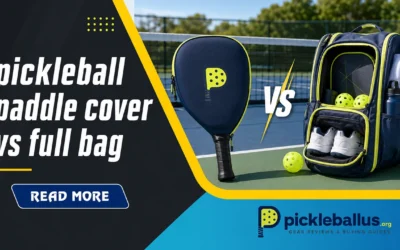
The paddle sleeve is the most important feature on any pickleball bag. A dedicated sleeve — separate from the main compartment, with a soft lining and semi-rigid walls — prevents the paddle face from contacting hard zippers, keys, or ball edges that cause micro-scratches over time.
The best sleeves include top or side access so you can pull a paddle out between games without digging through the full bag. If the bag stores paddles inside the main compartment with no separation, it’s not truly paddle-protective — it’s a general bag that happens to fit a paddle.
Look for bags that hold at least two paddles in the sleeve. Single-paddle sleeves are limiting for players who carry a backup.
2. Compartment Layout — Separating Wet Gear from Dry
Shoes, wet towels, and damp clothing carry moisture that warps paddle grips, softens ball surfaces, and promotes odor inside the main compartment. A dedicated shoe compartment (usually ventilated, at the base of the bag) solves this by keeping dirty, damp gear physically separated from paddles and dry accessories.
Bags without wet/dry separation force you to either leave shoes out of the bag entirely or accept moisture migration. Over weeks of regular play, that contamination is noticeable — in grip texture, in ball bounce consistency, and in the smell of your gear bag.
3. Carry System — Straps, Handles, and Weight Distribution
Padded shoulder straps are the minimum standard for any backpack-style pickleball bag. At full load (paddles, shoes, water, food), a pickleball bag weighs 10–18 lbs. Thin, unpadded straps concentrate that weight on two narrow pressure points across your shoulders — which becomes uncomfortable after 15 minutes.
Look for adjustable straps (so the bag sits at the right height on your back), a top grab handle (for quick pickup from a car or locker room), and an optional chest or sternum strap for additional stability during longer carries. For rolling tournament bags, test that the wheels roll smoothly on pavement, not just carpet.
4. Material and Zipper Quality
Fabric: 600D polyester and nylon are the most common materials in mid-range pickleball bags. Both resist minor abrasion and moisture exposure from outdoor surfaces. Thinner fabrics (below 300D) wear through faster at contact points — particularly the base and strap anchor areas.
Zippers: A failed zipper during a tournament warmup is a problem. Look for YKK zippers or equivalent branded hardware on the main compartment and paddle sleeve. Avoid bags where the zipper pulls feel stiff, thin, or difficult to operate one-handed — that stiffness doesn’t improve with use.
Base reinforcement: The bag’s bottom takes the most abuse — it contacts court surfaces, parking lots, and locker room floors daily. A reinforced base with rubber feet (on standing bags) prevents wear-through and keeps the bag upright without tipping.
5. Water Bottle Accessibility
A water bottle pocket that requires opening the main bag to access is a poor design choice. External water bottle pockets — elastic-sided, located on the bag’s exterior — let you hydrate between points without setting the bag down, unzipping a panel, or disrupting your gear organization.
Check that the pocket is sized for your actual bottle. Many bags list a water bottle pocket that fits a 500ml bottle but not a 32 oz insulated tumbler, which is what most players carry in warm weather.
6. Water Resistance and Weather Protection
Outdoor courts mean exposure to morning dew, light rain, and high humidity. A water-resistant exterior coating (DWR — Durable Water Repellent) keeps surface moisture from saturating the fabric. This is different from waterproofing: water-resistant bags repel light rain; they are not submersible.
The interior lining quality matters more than exterior water resistance for paddle protection. A bag with a water-resistant shell but an unsealed interior can still allow moisture to wick through seams around zippers during heavy rain.
How to Match a Bag to Your Budget and Play Level
Player level and session frequency are better guides to bag investment than price alone. A beginner playing once a week doesn’t need a $180 tournament bag. A 4.0 player competing monthly doesn’t benefit from a $30 basic backpack that won’t survive a season.
The table below maps common player profiles to recommended features and budgets:
| Player Level | Play Frequency | Recommended Style | Key Features to Prioritize | Budget Range |
|---|---|---|---|---|
| Beginner | 1–2×/week | Small backpack or sling | Basic paddle sleeve, external water pocket | $25–$60 |
| Club / Recreational | 3–4×/week | Full backpack | Padded sleeve, shoe compartment, reinforced base | $60–$120 |
| Competitive / Tournament | Weekly + tournaments | Backpack or duffel | Multi-paddle sleeve, wet/dry separation, durable zippers, thermal lining | $100–$200 |
Checking the best pickleball bags overview covers the top-rated options across all three tiers, with tested picks at each budget point.
By now you know which bag style fits your carry load, what features protect your gear, and how to match your investment to your play level. These decisions cover the obvious choices — but the details that improve daily sessions often hide in design elements that only become clear after months on the court. The next section covers what experienced players look for: smaller features that, once noticed, are impossible to ignore.
What Experienced Players Look For (That Beginners Overlook)
Standing Base vs. Floppy Bag Design
A bag with a structured standing base stays upright when set down courtside. That sounds minor until you’ve chased a toppled bag and watched balls, grips, and a water bottle spill across a court mid-game.
Standing bags keep gear accessible — towel, water, extra grip tape — without requiring you to crouch and dig. Floppy bags fold onto themselves and require a flat, clean surface to stay organized. Most tournament-grade bags and better backpacks include a semi-rigid base insert or thick bottom panel that solves this without adding meaningful weight.
Thermal Lining — Does It Actually Matter?
Yes, for players in hot climates or who store gear in a car. Paddle cores — particularly polymer honeycomb — can deform under prolonged high heat. A thermal-lined paddle sleeve slows heat transfer, protecting core integrity during car storage in summer.
Most thermal linings in pickleball bags are adequate for car-storage conditions (temps up to 120–140°F). They are not designed for freezing storage, which can stiffen paddle faces and cause delamination in some composite constructions.
Fence Hook and Quick-Access Panel
A built-in fence hook or loop keeps the bag off the court surface entirely — out of moisture, dirt, and foot traffic. Players who compete regularly use this feature constantly; players who don’t have it often wish they did after a wet morning session.
The quick-access panel (a separate, zipper-free or single-zip exterior pocket for paddles) is a related upgrade. It lets you swap paddles in five seconds between games without opening the main bag or disturbing your gear organization.
When a Tennis Bag Works for Pickleball — and When It Doesn’t
Tennis bags can work for pickleball with one important check: the racket sleeve. If the racket tubes are narrow and cylindrical (designed for a single racket head), a pickleball paddle will rattle and shift, risking face damage. If the bag uses a wide, flat main compartment (common in larger club bags and backpacks), paddle storage works fine.
The layout differences become more significant at the accessory level — ball pocket sizing, shoe compartment depth, and water bottle placement are all calibrated for tennis gear in a tennis bag. For dedicated pickleball use, a pickleball-specific bag earns its cost within a season. For occasional players or those transitioning from tennis, a shared-use bag is a reasonable starting point.
For a full breakdown of the layout differences, pickleball bag vs tennis bag covers exactly where the two formats diverge and which situations favor each.
Final Checklist Before You Buy
Use this to confirm your decision:
- [ ] Listed every item you carry to a typical session
- [ ] Chose the smallest style that holds that load without overstuffing
- [ ] Confirmed the paddle sleeve has a soft lining and fits your paddle width
- [ ] Checked for a dedicated shoe/wet gear compartment
- [ ] Verified zipper quality on the main compartment and paddle sleeve
- [ ] Bag has an external water bottle pocket
- [ ] Carry system (straps, handles) matches your typical carry distance
- [ ] Budget aligns with your play frequency
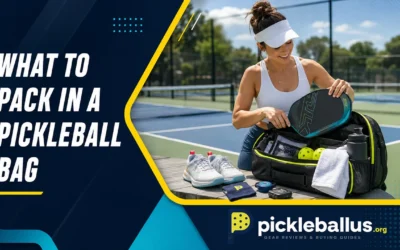
Once you have the right bag, the next question is how to use the space inside it. What to pack in a pickleball bag covers how experienced players organize their kit so nothing gets forgotten and everything stays protected.