

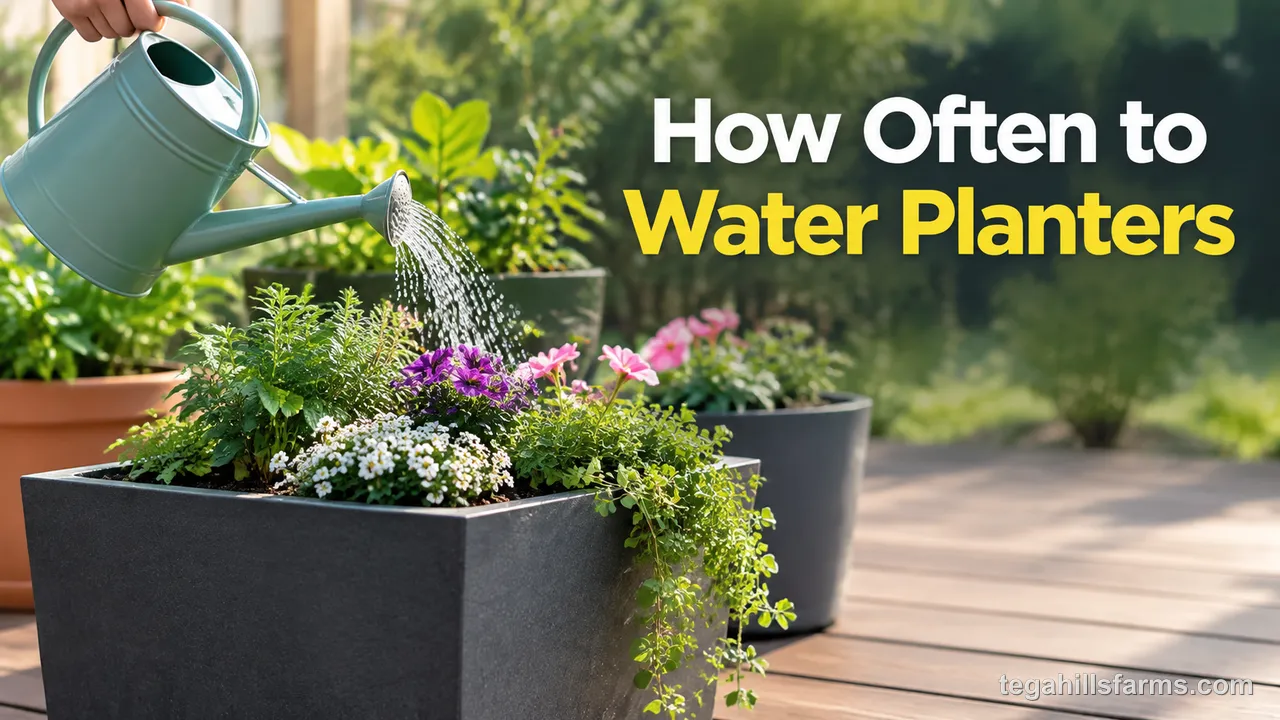
Container plants dry out faster than ground plantings because potted soil has no groundwater access, limited root space, and more surface area exposed to air and sun. Watering frequency in planters depends on container size, material, and the plants you’re growing.
What Determines How Often to Water Planters
Container size and material directly affect how quickly soil dries out — a process covered in detail in our guide on how to choose a planter. Beyond those two factors, everything from your local humidity to the pot’s drainage holes shapes how often you’ll reach for the watering can.
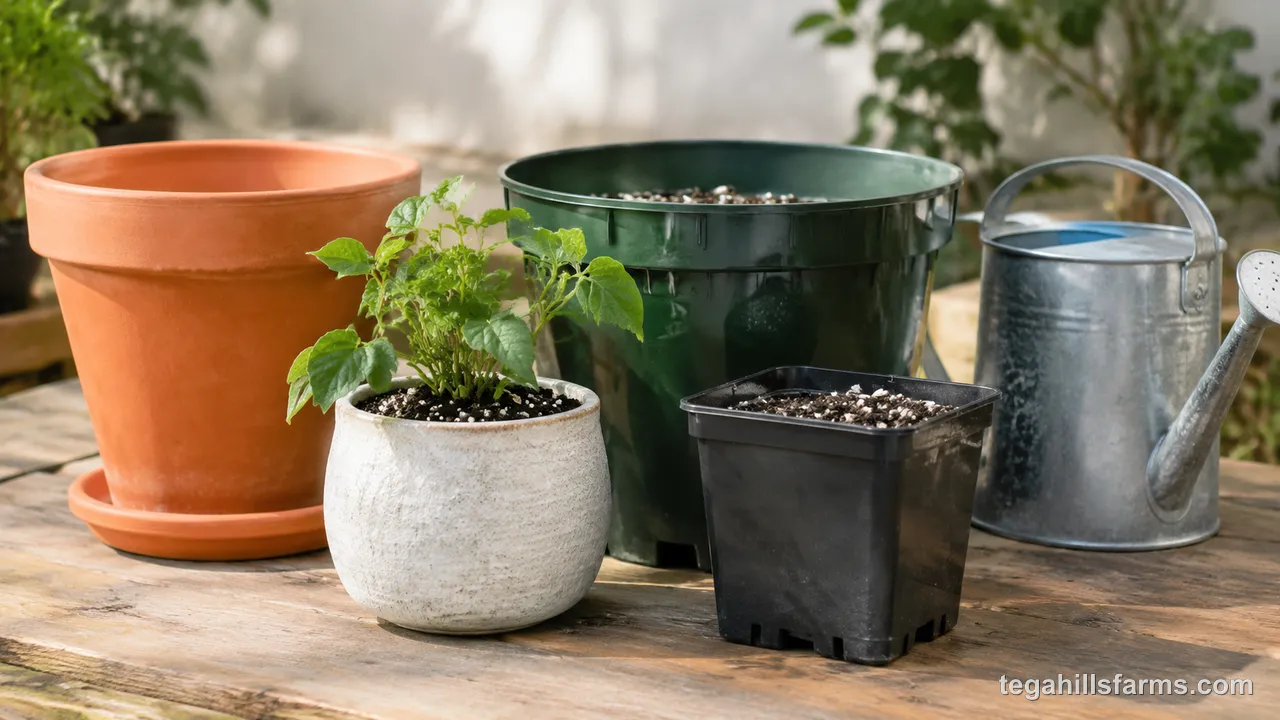
Soil composition matters more than most beginners realize. A mix heavy on peat moss or coco coir holds moisture longer than a sandy, fast-draining blend. Adding perlite or coarse grit speeds drainage but also dries faster between waterings.
Wind and sun exposure hit containers harder than garden beds. A planter on a south-facing patio in full sun dries out noticeably faster than one under a covered porch with indirect light. Even moving a pot a few feet can shift its watering schedule by a day or two.
Your USDA zone affects baseline humidity and temperature, which directly control evaporation rates. A gardener in Zone 9 deals with a very different moisture landscape than someone in Zone 5, even with identical pots and plants.
How Often to Water Planters by Season
Watering frequency shifts across the growing year depending on temperature, plant growth stage, and daylight hours. Adjust your routine seasonally to match what your containers actually need.
Spring Watering Frequency
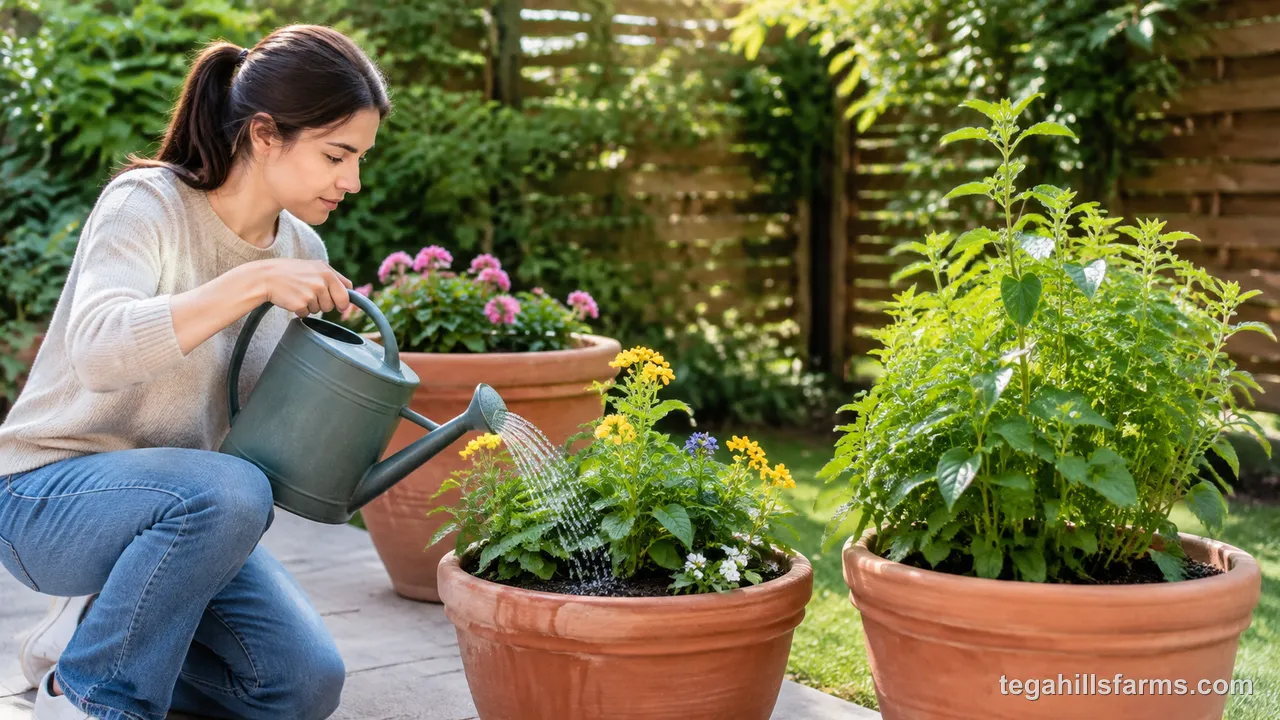
Spring container watering typically means watering every 2–3 days as new growth emerges. Young seedlings and transplants have shallow roots that dry out quickly, while moderate temperatures keep evaporation manageable.
As spring progresses and temperatures warm, increase frequency to every 1–2 days for most containers. If you’re starting warm-season crops, check soil moisture daily — what to plant in a planter in spring often includes tomatoes and peppers that ramp up water demand quickly once established.
Summer Watering: When Daily Is Not Enough
Summer container watering often requires daily attention, and sometimes twice daily for small pots in full sun. When temperatures consistently climb above 85°F, containers lose moisture rapidly through evaporation and plant uptake.
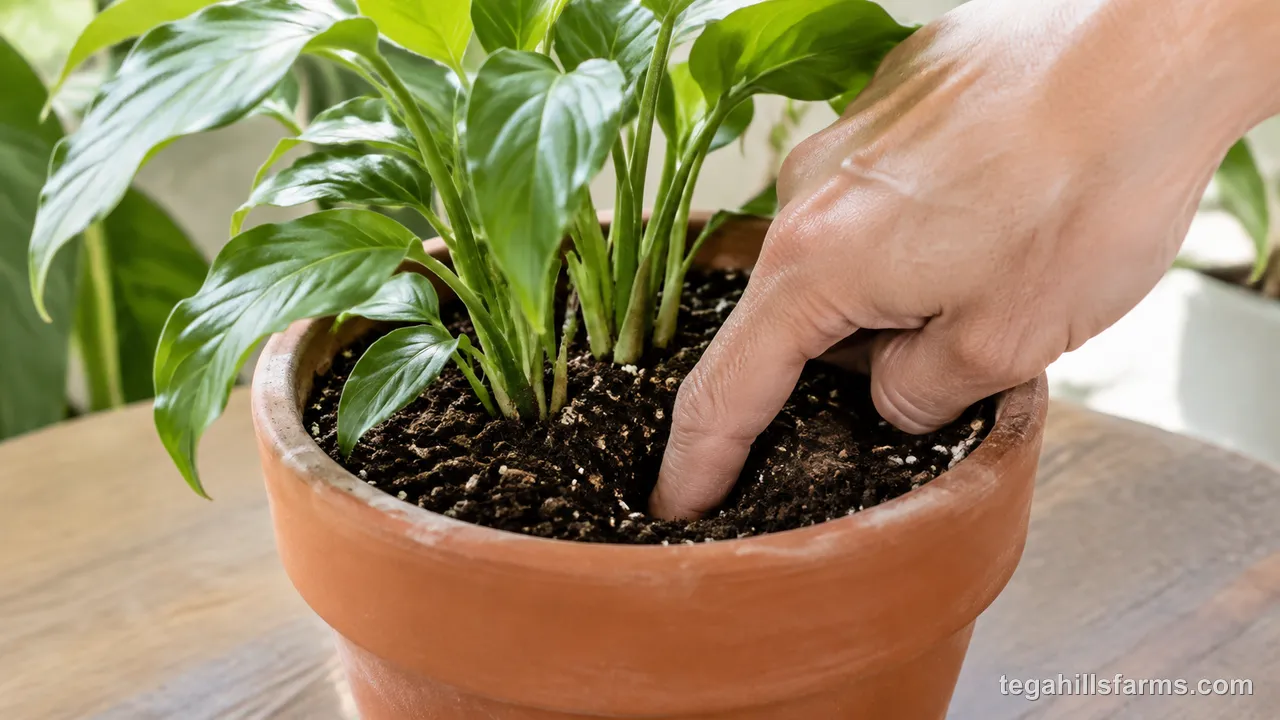
The finger test — pushing your finger into the soil up to the second knuckle — becomes essential during heat waves. If the top inch feels dry by morning, water immediately. By early afternoon, a sun-stressed plant in a small pot may already be wilting.
Larger planters with more soil volume hold moisture longer and can often survive on every-other-day watering even in summer heat. Unglazed terracotta dries faster than plastic or glazed ceramic, so factor in your pot material when setting your summer schedule.
Fall and Winter: Reducing Watering Frequency
Fall and winter container watering drops to once a week or less as temperatures cool and growth slows. What to plant in a planter in fall shifts toward cool-weather crops like pansies and kale, which require far less water than summer vegetables.
Most perennials and shrubs in containers go dormant through winter, using minimal water. In zones with freezing temperatures, overwintered planters need attention to moisture even when the soil surface appears frozen — water during a thaw if the soil is bone dry, because drying winds can desiccate roots even in frozen soil.
How to Know When Your Planter Needs Water
The finger test is the most reliable way to check soil moisture — insert your finger into the potting mix up to the first or second knuckle. If it feels dry at that depth, water; if it still feels moist, wait.
Visual cues help too. Wilting leaves don’t always mean drought — root rot from overwatering causes the same look. Pale or curling leaves at the edges usually indicate dry soil, while yellowing lower leaves can signal both over and under watering. Knowing your plants helps you read the difference.
Lift the pot if you can. A lightweight container signals dry soil; a heavier pot with good drainage usually means adequate moisture. This trick works especially well for smaller planters you can comfortably heft.
Check the drainage holes. Water should flow freely from the bottom when you water thoroughly. If nothing comes out, the soil may be repelling water (becoming hydrophobic) or the holes are blocked — a problem covered in our guide on planter drainage.
How Much Water to Apply Per Session
Water deeply until moisture reaches the root zone, not just the surface. A light sprinkle that dampens only the top inch trains roots to stay shallow, making plants more vulnerable to drought.
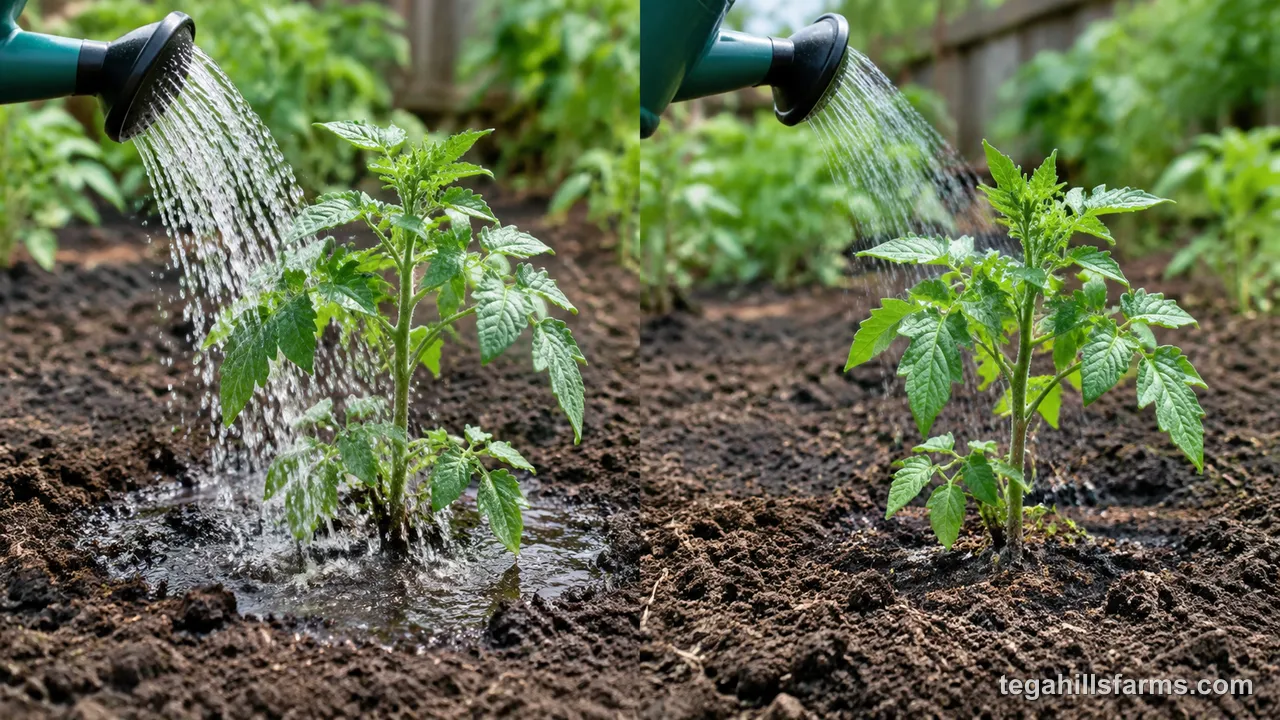
For a standard 12-inch diameter planter, apply water slowly until you see it exit the drainage holes, then stop. For larger containers (18 inches or wider), water in stages — apply some, wait for it to absorb, then add more until runoff appears. This ensures the entire root ball gets saturated, not just the edges.
Containers dry unevenly. The center stays moist longer than the edges, which are exposed to more air circulation. Water around the entire soil surface, not just the center where the main stem sits.
Watering Needs by Plant Type in Planters
Different plant categories have distinct water demands based on their leaf type, root structure, and natural habitat. Matching your watering to the plant’s origin helps prevent both drought stress and root rot.
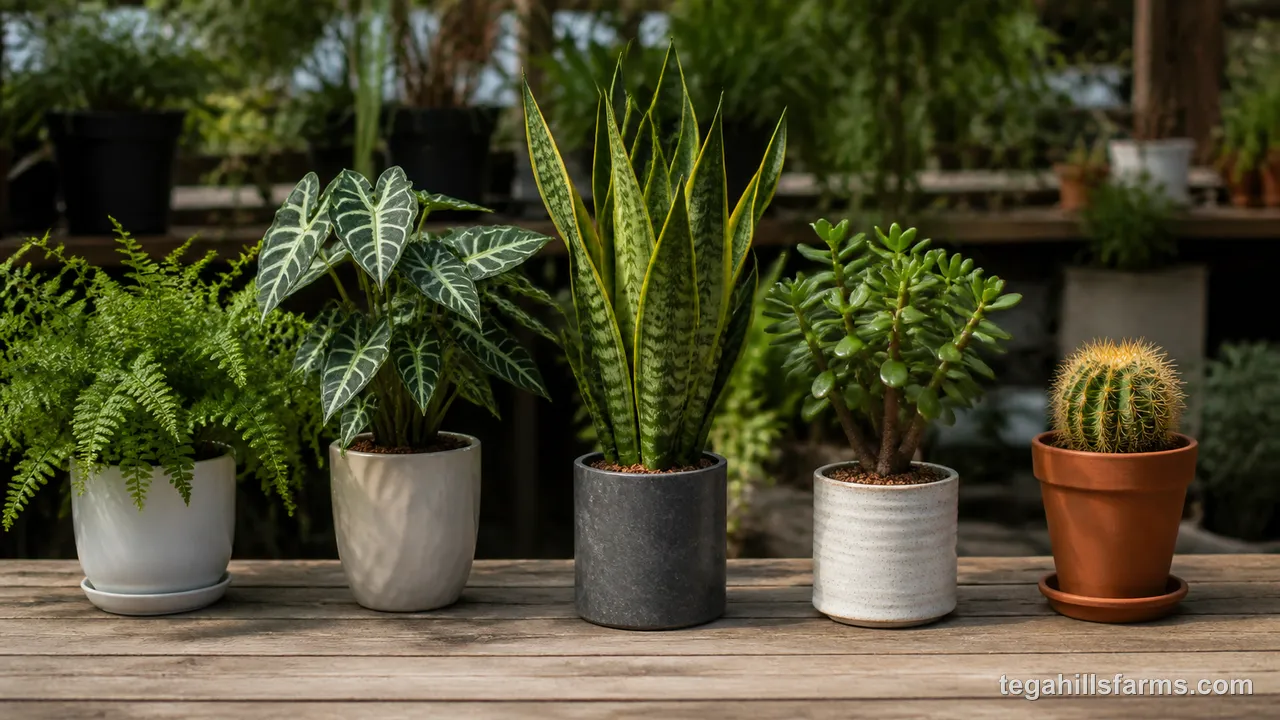
Succulents and cacti need watering only when the soil is completely dry — sometimes every 2–3 weeks. Their fleshy leaves store water, so overwatering is the more common mistake with these plants in containers.
Annual flowers and vegetables are thirsty growers. Petunias, impatiens, tomatoes, and peppers in planters typically need water every 1–2 days during active growth. These plants put on rapid top growth that quickly depletes soil moisture.
Herbs occupy a middle ground. Mediterranean types like rosemary, thyme, and oregano prefer slightly drier conditions, while basil and cilantro need more consistent moisture. What to plant in a planter often includes herbs, and grouping them by water needs makes care easier.
Perennials in containers follow their garden counterparts but dry out faster in pots. Once established, they tolerate brief dry spells better than annuals, but consistent moisture produces better blooms and foliage.
How to Revive a Severely Dry Planter
Yes, you can save an overdry container — but speed matters. When potting mix shrinks away from the pot edges or forms a hard crust on top, water runs straight through instead of soaking in.
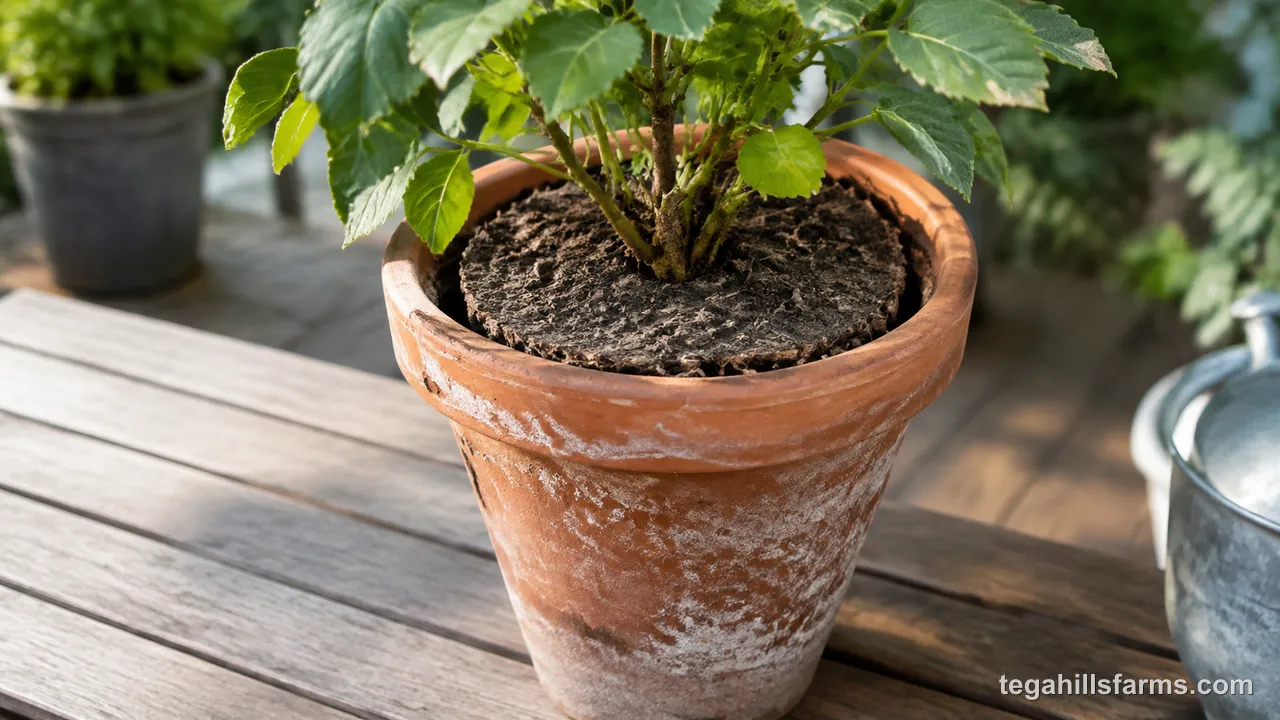
Start by breaking up the crusted surface with a fork or trowel. Work carefully around the roots to avoid damaging them further. Then place the pot in a tray of water and let it soak from the bottom up for 30–60 minutes. This rehydrates the root ball more effectively than top watering alone.
After soaking, let the pot drain fully. Move it to shade for a day or two to reduce stress while the plant recovers. Trim any dead or severely wilted foliage — the plant can’t support all its pre-drought leaves with a damaged root system.
Expect recovery to take a week or more. Don’t return to your regular watering schedule immediately; the roots need time to regain function. A light, diluted fertilizer application once the plant shows new growth helps replenish what the dry spell depleted.
Best Time of Day and Technique for Watering Planters
Early morning is the ideal time to water outdoor planters, giving leaves time to dry before evening and allowing water to soak in before midday sun increases evaporation.
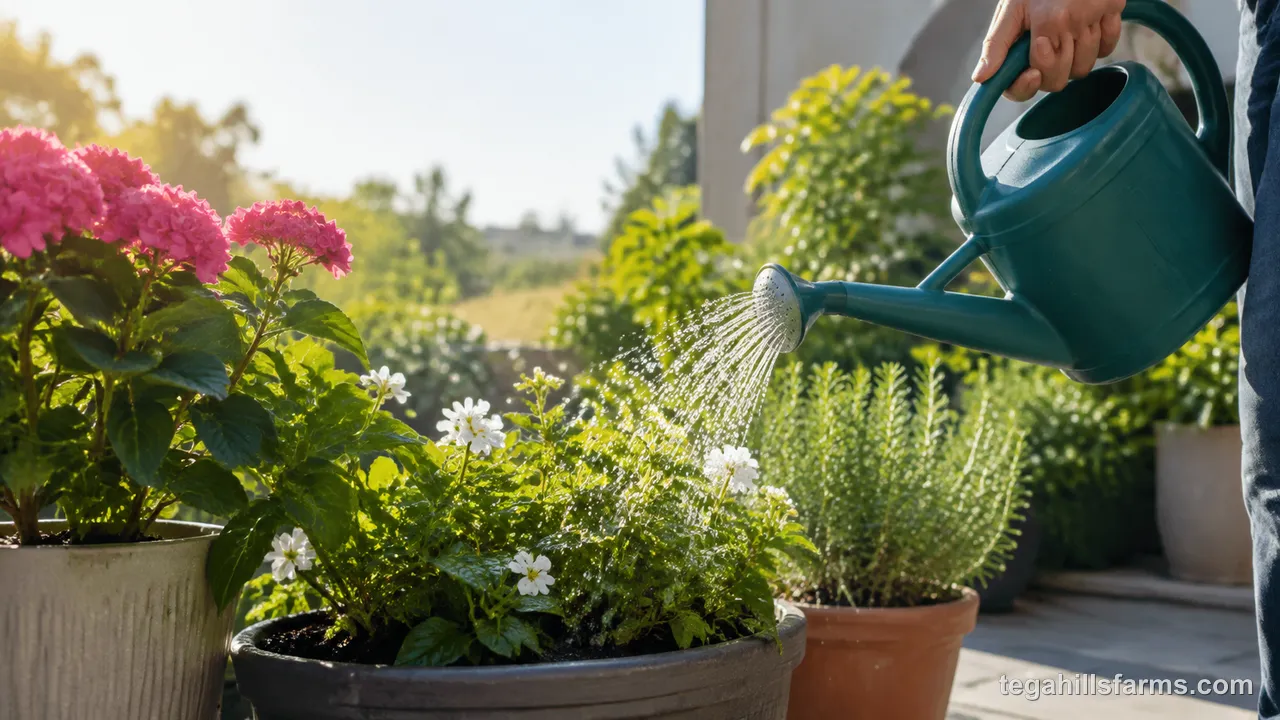
Water at the soil surface, not over the foliage. Wet leaves invite fungal diseases, especially in humid climates or when watering in the evening. A slow, steady pour around the base of the plant lets the soil absorb moisture rather than running off.
Deep, infrequent watering develops stronger roots than light, frequent sprinkling. When you water, soak the entire root zone; when you don’t water, let the soil approach dryness before the next session. This cycle encourages roots to grow deeper into the container, making plants more resilient.
Self-watering planters and drip irrigation systems solve the vacation problem but require the same principles — water deeply when you do, and let the reservoir manage moisture between waterings rather than keeping soil constantly saturated.
How Pot Material Affects Watering Frequency
Pot material determines how quickly soil dries out by controlling how much heat reaches the root zone and how much moisture escapes through the pot walls themselves.
Unglazed terracotta is porous, allowing moisture to evaporate through the walls. These pots dry out faster than any other material — perfect for succulents, risky for thirsty annuals in hot weather without daily attention. Glazed terracotta and ceramic pots retain moisture longer since their surfaces are sealed.
Plastic and resin planters hold moisture best in summer heat. They’re practical choices for vegetables and hanging baskets that dry out quickly in terracotta. The tradeoff is that poor drainage in plastic pots easily leads to root rot.
Fabric grow bags breathe exceptionally well, promoting air pruning of roots and preventing overwatering — but they also dry out faster in wind and sun. Wood planters moderate soil temperature well and retain moisture reasonably, making them a good middle-ground choice.
Concrete and stone containers hold moisture well but are heavy and slow to warm in spring. Metal pots conduct heat to the soil, causing rapid drying in sun and potentially cooking roots in hot climates.
Indoor Planter Watering: What Differs Outdoors
Indoor containers face less sun and wind, which means soil stays moist longer than outdoor planters in the same sized pot. Indoor watering typically runs 30–50% less frequently than outdoor equivalents.
Home humidity varies dramatically with HVAC systems and seasonal heating. Forced-air heat dries indoor air, especially in winter, which increases water demand from houseplants near vents or in naturally dry rooms. Grouping humidity-loving plants together or using a pebble tray helps maintain more consistent moisture.
Indoor pots rarely need daily watering. Most houseplants prefer to dry slightly between waterings — every 7–14 days for typical tropicals, longer for succulents kept in low-light corners. Check soil moisture with your finger before watering rather than following a fixed schedule.
Overwatering is the most common indoor container mistake. Without the sun and wind that help outdoor containers dry, indoor soil stays wet longer. Always confirm the pot has working drainage holes, and never let plants sit in standing water.
Watering and Fertilizer: How They Work Together
Watering and fertilizing are interconnected — irregular watering affects how plants access nutrients, and fertilizer concentration changes based on soil moisture levels.
Soluble fertilizers are mixed with water and applied to moist soil. Applying fertilizer to bone-dry soil burns roots; always water first, then feed. Consistent watering helps distribute nutrients evenly through the container.
Slow-release fertilizers break down based on temperature and moisture, releasing nutrients more predictably in outdoor containers than indoors. Inconsistent watering indoors can cause feast-or-famine nutrient availability as the soil wets and dries.
How to fertilize planters depends on your plant type and potting mix. Fresh potting mix contains some nutrients, but containers deplete them within a few weeks for heavy feeders like vegetables. A regular liquid fertilizer schedule for edibles sustains growth, while succulents and native plants often need little to no supplemental feeding.
Watch for signs of nutrient deficiency — yellowing leaves, poor growth, pale foliage — which often indicate the need for fertilizer rather than more water. Both overwatering and over-fertilizing cause similar symptoms, so check soil moisture before adjusting either practice.
Frequently Asked Questions About Watering Planters
How do I know if I’m overwatering my planters?
Yellowing lower leaves, soft stems at the base, and soil that stays wet for more than a week after watering suggest overwatering. Lift the pot — if it feels heavy and the drainage holes aren’t releasing water, cut back and ensure holes aren’t blocked.
Can I use a moisture meter instead of the finger test?
Moisture meters work well for large containers where your finger doesn’t reach deep enough. Check the meter against the finger test a few times to calibrate — cheap meters can be inaccurate, especially in dense potting mix.
Should I water planters differently when I’m on vacation?
Move containers to shade to reduce water demand, group them together to create a microclimate, and consider self-watering stakes or reservoirs for shorter trips. For longer absences, recruit a neighbor or use a drip irrigation timer.
Why does water run straight through some pots without soaking in?
Hydrophobic soil — caused by dried-out peat or organic matter — repels water. Rehydrate by soaking the entire pot, as described in the revival section above. Preventing this means never letting soil dry out completely between waterings.
Do self-watering planters need less frequent watering?
Self-watering planters reduce how often you need to refill the reservoir but still require monitoring. They work best for consistent moisture lovers and vacation coverage, but the soil still dries from the top and needs checking every few days in summer.


Write Your Review
No reviews yet. Be the first to share your experience!